
What does it cost to live in Australia?
A realistic, city-by-city guide to budgeting for life in Australia - housing, groceries, transport and more.

What life in Australia actually costs
One of the most common questions we hear is simple: can I afford to live in Australia? The honest answer is that it varies enormously by city, lifestyle and household size - but Australia's wages, which rank among the highest in the world, help offset a cost of living that is genuinely higher than many countries.
This guide gives you a realistic, general picture of where your money goes, so you can budget with your eyes open rather than guessing.
The main categories to plan for

Housing & rent
Usually the largest expense. Capital cities cost more than regional areas, and inner-city living costs more than the suburbs - sharing accommodation is common for students and new arrivals.
Groceries & dining out
Supermarket staples are broadly comparable to other high-income countries; eating out and café culture can add up quickly if it becomes a daily habit.
Transport
Public transport is efficient in most capital cities; running a car adds registration, insurance and fuel costs on top of the vehicle itself.
Utilities & bills
Electricity, gas, water and internet are ongoing costs that vary by state and season - Medicare eases healthcare costs for eligible residents.
Childcare & education
Public schooling is free for citizens and permanent residents; international students and some visa holders may pay course fees and should budget for supplies and activities.
Health cover
Medicare covers citizens and permanent residents; most temporary visa holders (including international students) are required to hold private health cover for the length of their stay.
How costs compare across Australia
Every city has its own trade-offs between cost, job opportunities and lifestyle - here's a general sense of where each one sits.
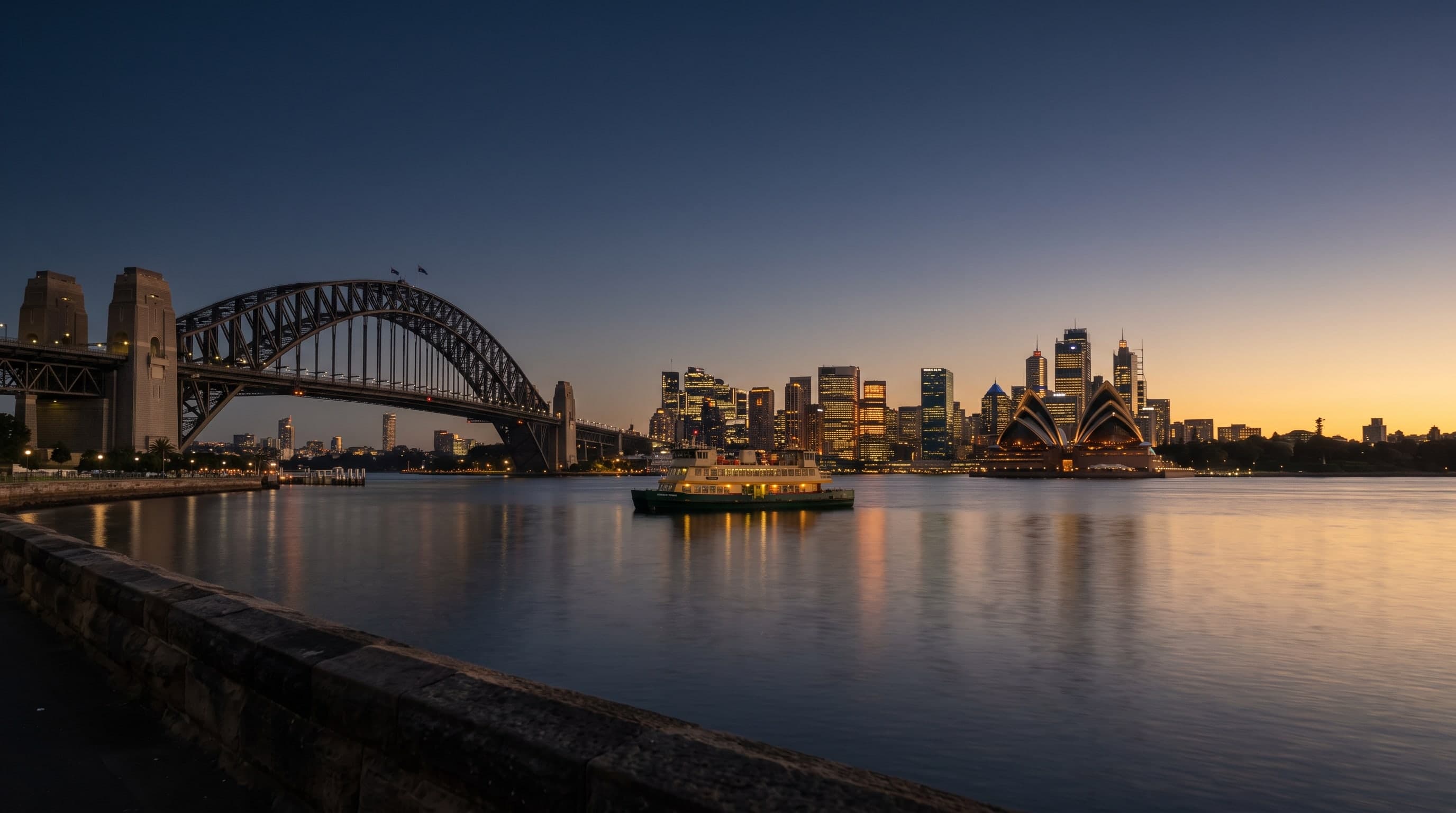
Sydney
Australia's most expensive city, especially for housing - offset by the country's largest job market.
Compare cities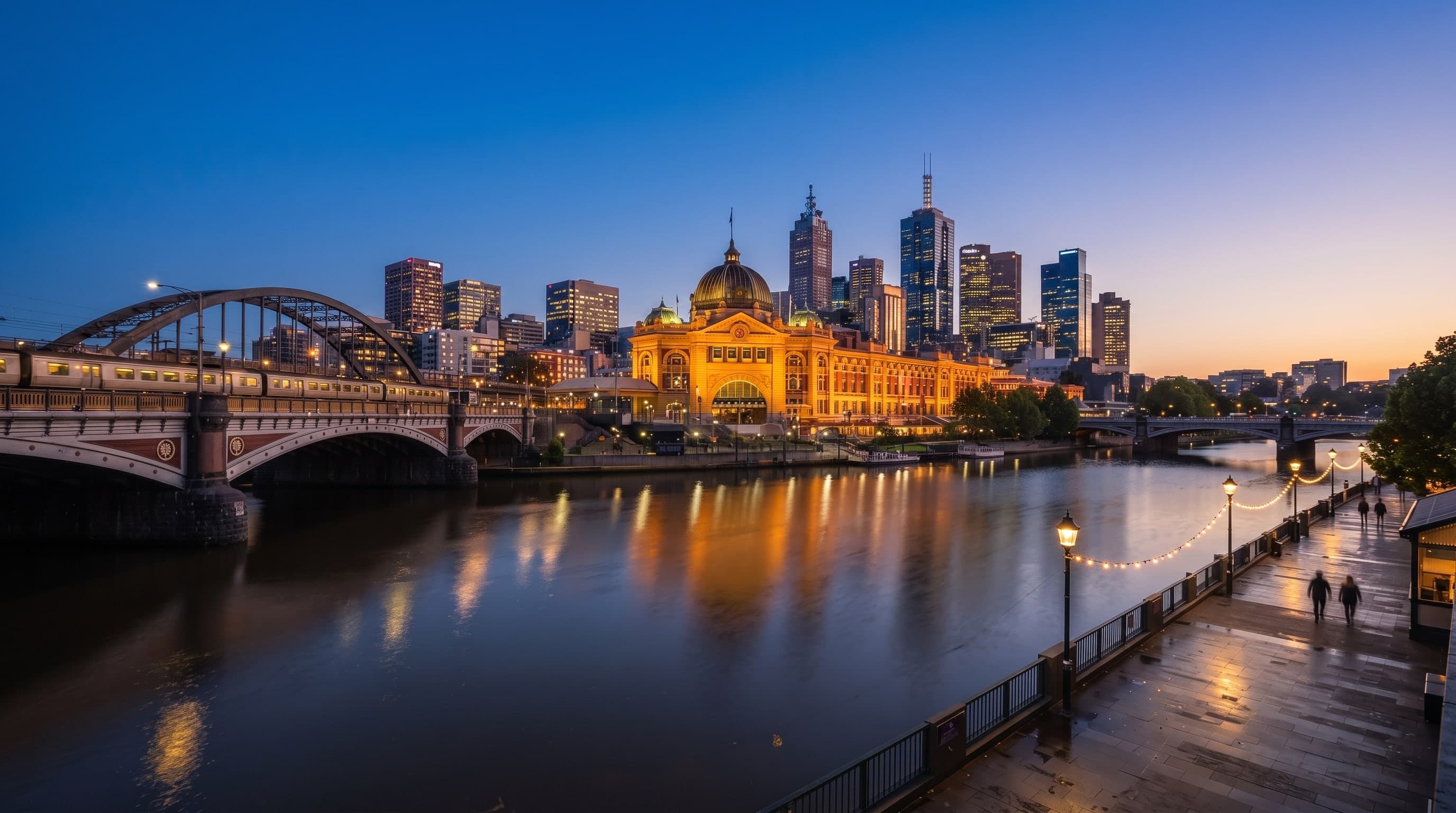
Melbourne
A close second to Sydney on cost, with a famously strong café and cultural scene.
Compare cities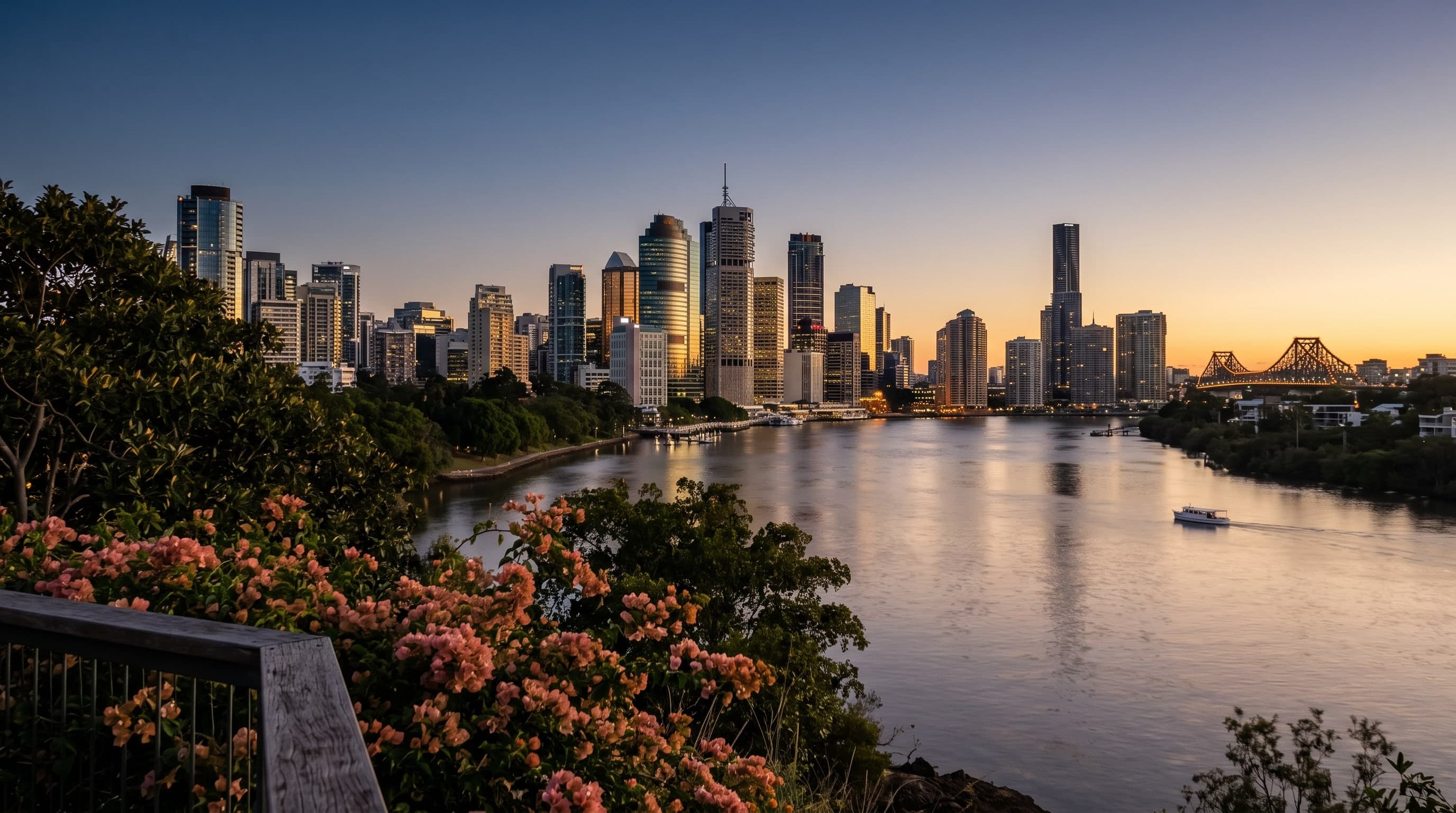
Brisbane
Generally more affordable than Sydney or Melbourne, with a fast-growing economy.
Compare cities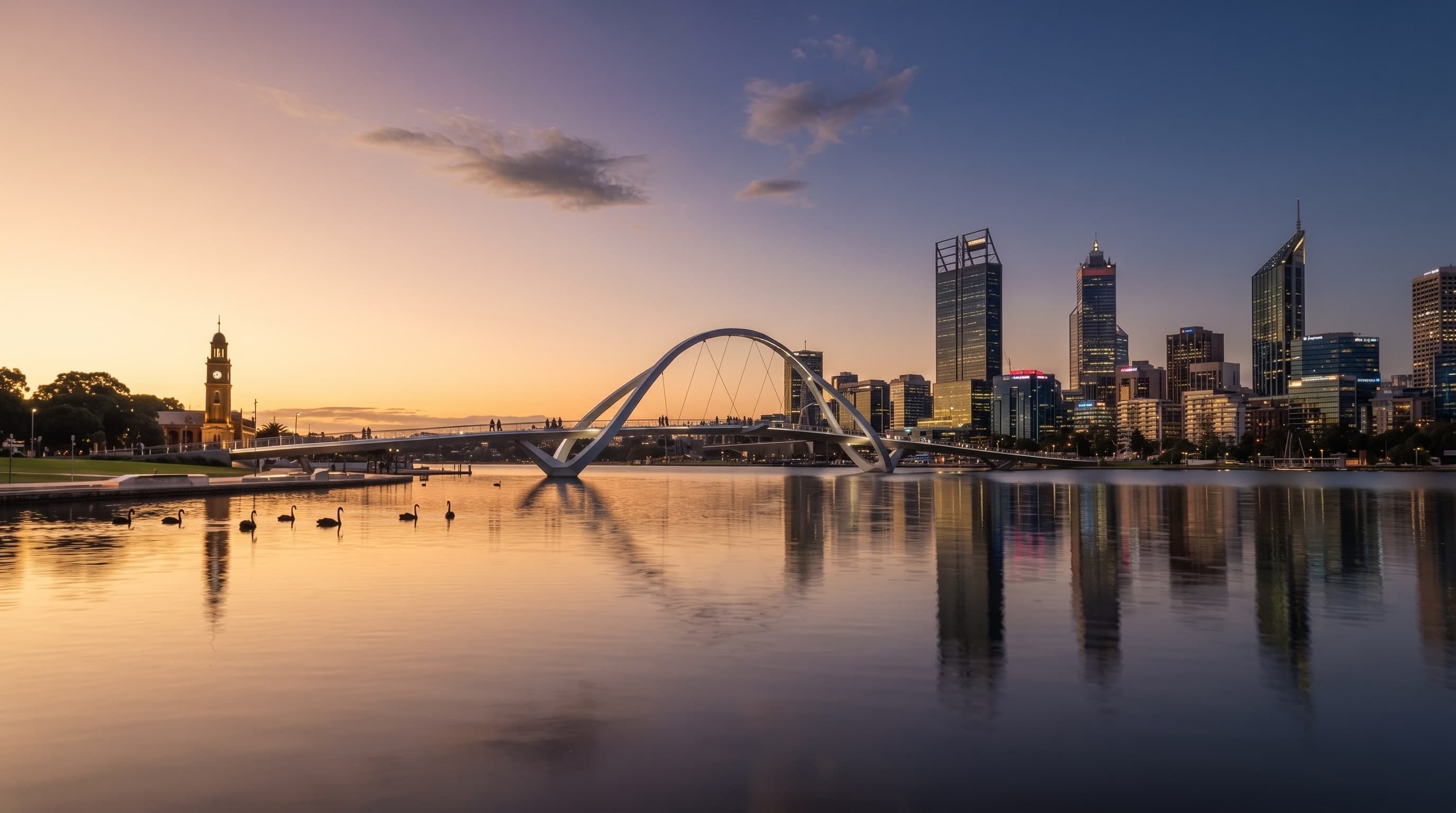
Perth
Comparatively affordable housing and a resources-driven job market - see our Living in Perth guide.
Compare cities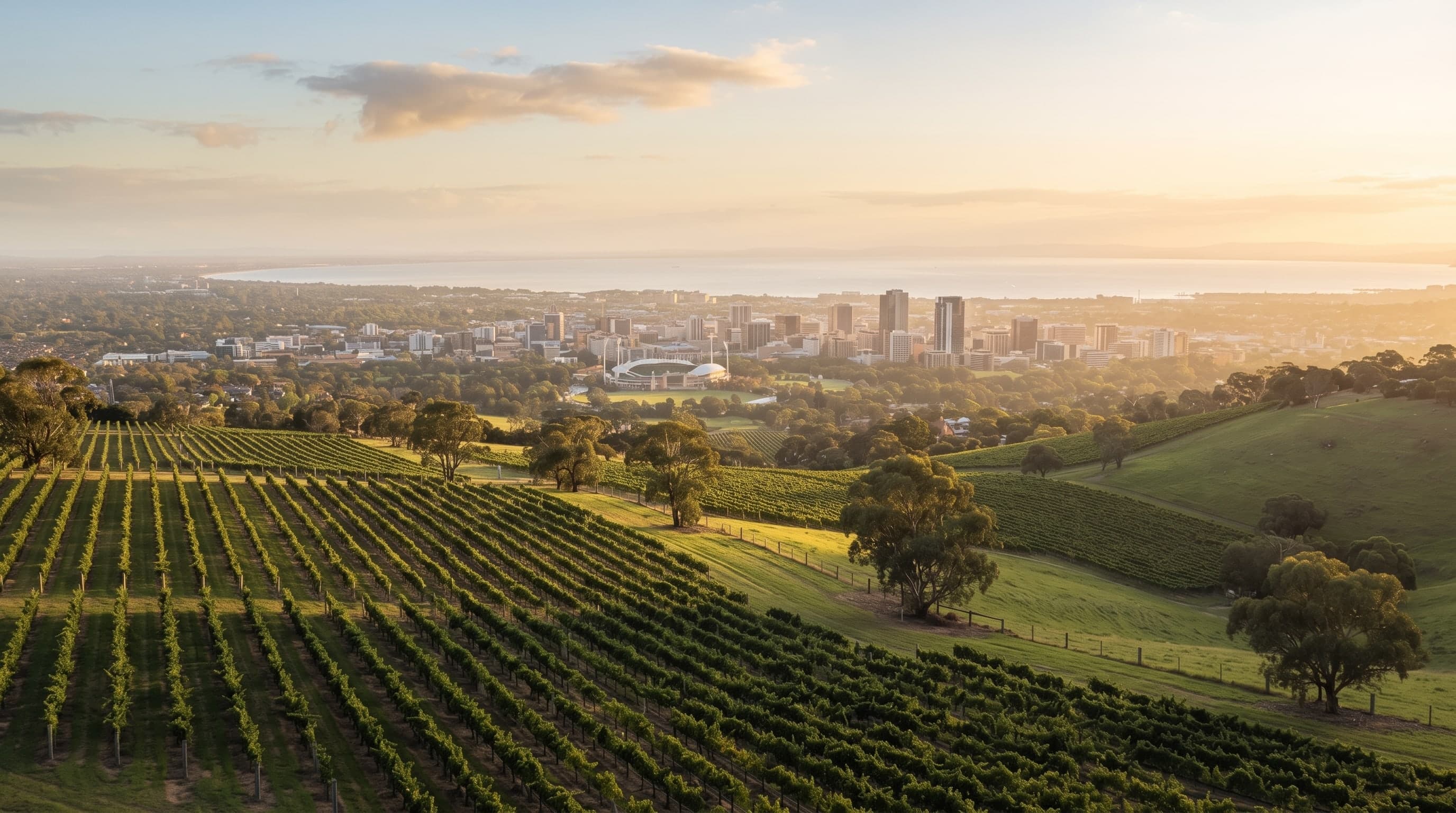
Adelaide
Consistently one of the most affordable Australian capitals, with a relaxed pace of life.
Compare cities
Regional areas
Often the most affordable option overall, and some visa pathways give extra weight to regional living.

A few practical tips before you arrive
- Research typical rents in your target suburb before you commit to a city or area
- Budget for setup costs - bond, utility connections and furnishing - in your first few months
- Sharing accommodation is common and can significantly reduce early costs, especially for students
- Factor in health cover from day one, whether that's Medicare eligibility or a private policy
- Build a small buffer for the unexpected - moving countries always comes with surprises
Frequently asked questions
Is Australia an expensive country to live in?
What's the cheapest Australian city to live in?
Do international students need to budget for health cover?
How much should I save before moving to Australia?
Want honest advice for your specific budget?
Every visa pathway has different financial requirements - book a consultation for advice tailored to your situation.
This page is general information only, not financial or migration advice, and costs change over time and vary by household. For visa-specific financial requirements, please book a consultation with a registered migration agent.